
Leaf It Alone
[otw_shortcode_info_box border_style=”bordered” css_class=”boxed”]India’s pioneering canine behaviourist and trainer, Shirin Merchant talks about the various ‘Toxic plants’ you should keep away from your pet.[/otw_shortcode_info_box]
Castor Bean
Poisonous part: The entire plant but the seeds, especially are very toxic.
Clinical signs: The poisonous principle in ‘Ricinus communis’ is ‘ricin’, a highly toxic protein that can produce severe abdominal pain, drooling, vomiting, diarrhea, excessive thirst, weakness and loss of appetite. Severe cases of poisoning can result in dehydration, muscle twitching, tremors, seizures, coma and death. Ingestion of even one or two seeds can cause death. The plant also causes dermatitis.
Caladium
Poisonous part: All parts of the plant
Clinical signs: Loss of balance, oral irritation, intense burning and irritation of the mouth, lips, tongue, excessive drooling, tremors, seizures, vomiting, and difficulty in swallowing.
Jasmine
Poisonous part: Foliage, flowers, sap.
Clinical signs: Weakness, seizures and respiratory failure.
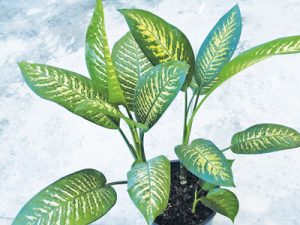
Dieffenbachia (Dumb Cane)
Poisonous part: Leaves
Clinical signs: Oral irritation, intense burning and irritation of the mouth, lips, tongue, excessive drooling, vomiting, difficulty in swallowing.
Oleander
Poisonous part: all parts of the plant.
Clinical signs: All parts of Nerium oleander are considered to be toxic, as they contain cardiac glycosides that have the potential to cause serious effects—including gastrointestinal tract irritation, abnormal heart function, hypothermia and even death.
Lantana
Poisonous part: foliage, flowers, and immature berries.
Clinical signs: Lantodene, an atropine-like toxin – affects the lungs, heart, kidneys, liver and nervous system.
Hydrangea
Poisonous part: All parts of the plant
Clinical signs: Seizures, dizziness, rapid Breathing, irritation and inflammation of the digestive tract, diarrhea, bloody stool.
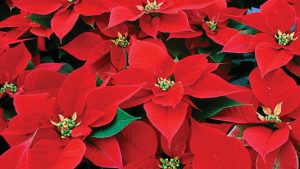
Poinsettia
Poisonous part: Leaves, stem and sap.
Clinical signs: Diarrhoea, abdominal cramps, delirium. Sap can cause irritation, and if rubbed in eyes – blindness. The plant also causes dermatitis.
Bleeding Heart
Poisonous part: Foliage, roots.
Clinical signs: Poisonous in large amounts, contains convulsants, including isoquinoline. The plant also causes dermatitis.
If you suspect your dog has ingested a poisonous plant, and is showing symptoms, immediately rush it to your vet along with a sample of the plant. Whilst most of the plants listed are harmful to pets, if your pet has existed alongside these plants without any problems, then there is no need to remove the plant from your garden.
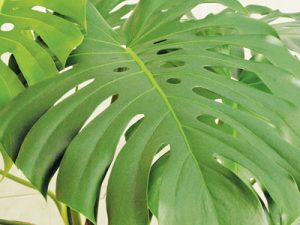
Philodendron
Poisonous part: The whole plant.
Clinical signs: oral irritation, intense burning and irritation of the mouth, lips, tongue, excessive drooling, vomiting, difficulty in swallowing, seizures, diahorrea, and can be fatal.