

The Graceful Goddess Āvã Yazad
[otw_shortcode_info_box border_style=”bordered” css_class=”boxed”]
Author and Counselling Psychologist, Adil Firoze Rangoonwalla provides religious services as a Para-Mobed for Atash Padshahs that need attention. He has learned Avesta, Pahlavi and Sanskrit and devotes much time to religious studies and to sharing religio-spiritual knowledge. He has authored ten books and has been writing religious articles for nearly 30 years.
[/otw_shortcode_info_box]
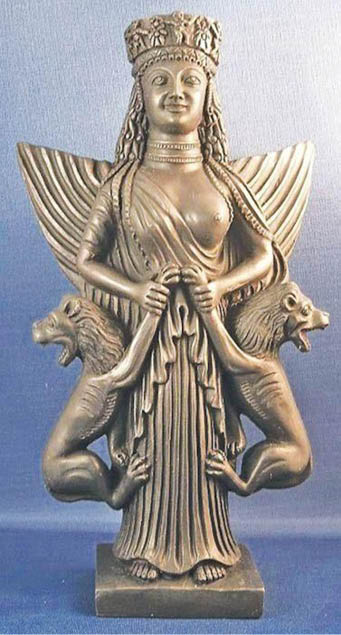 On the Ava Mahino – Ava Roj Parab, which took place just a few days ago, fervent Zoroastrians gather at Agiary wells or other celebrated places like the Bhikha Beheram Well. It is a day when feelings of love and adoration come to the fore due to the magic of the glorious and resplendent Āvã Yazad. As we journey through the Ava mahino or month, let us pray in praise and adoration of Āvã Ardvēsūra Anāhitā.
Āvã Yazad has been portrayed as a female divinity. She is flawless – radiant within, beautiful without. This is probably why there was an Āvã cult that made idols of this beautiful goddess and worshipped her. Not only is Āvã flawlessly beautiful, she is also all-embellished. She dons an expensive golden garment. She wears golden earrings. She wears a precious diadem studded with one hundred shiny precious diamonds. She wears a tight firm belt and wears golden shoes. All this reflects the Glory of the Supreme Dādār, the Creator of one and all.
As a divine entity she presides over the element – water. Creation of life on earth, we believe, first happened in water with unicellular creatures. Other creations happened only due to the presence of water and moisture. ‘There’s plenty of water in the universe without life, but nowhere is there life without water.’ – Sylvia Earle. All cradles of civilizations owe their prosperity to a great river or rivers, which bless the villages or towns with ample agricultural produce and sustenance for cattle.
Ardvēsūra is the name of a great wide river that flowed through many parts of ancient Iran. It is compared with the river Oxus. Said to originate on the tip of Mt. Hukirya, it flows to the Vourakasha sea or the Caspean Sea. The river, in its extensive course, comes in contact with several herbal and medicinal plants, and thus its waters assume health-bestowing or healing powers.
The term ‘shoora’ or ‘soora’ in Āvã Yazad’s name, reveals that she is brave. She serves as a Hamkar, comrade of the Amesha Spenta, Spenta Armaity or Spendarmad. Spenta literally means holy. Just as our Earth is afflicted with so many forms of evil, our mind too is gets impacted with negative emotions like envy and anger. As we face the biggest challenge of today – the Pandemic, we fight it with a vaccine or a medicine which may come in the form of fluid – thus Āvã is a Yazad who will fight against evil. Ahriman, the evil spirit, works to defile all that is good. He succeeds many times. He is a creature of darkness and ignorance.
Ahura Mazda created the five great elements, also revered in Vedas as the Pancha Maha Bhootas namely Ether (Sky, of Mino Āsmān Yazad), Wind, (Vayu), Water (Jal), Fire (Atash) and Zam (Zamin or Earth). Water, as a solvent, takes many elements within itself and cleans and purges as per the need of the elements. Water can clean and purify almost anything. It rescues us from so many ills. Āvã Yazad not only protects and preserves life in every possible way, but also helps in creating new life. She purifies the genders as they make way for a healthy, new life. She gives strength to a woman delivering the child and makes the delivery as painless as possible for the mother. Āvã Yazad also blesses the mother with abundant milk for nursing the new life.
This Graceful Goddess is a benefactress of boons. If a good person seeks a boon to become more virtuous, then Āvã Yazad grants him or her that boon, However, if an evil man seeks her help for getting something to satisfy his ego and for the ruination of another human being, then Āvã Yazad will never grant him that boon. We need no further assurance! God Bless! Stay in Grace!