

Breathing Easy With Your Pooch!
Here’s how…
Porus loved dogs. Unfortunately, the boy was allergic to dogs and hence his parents could never get their ten-year-old son his own pet. Then one day, a friend showed them a newspaper cutting on ‘hypoallergenic dogs’. It suggested that certain breeds of dogs were safe to keep, as they did not cause allergies. But what was a ‘hypoallergenic dog’? And would it be safe for Porus to be near one all the time?
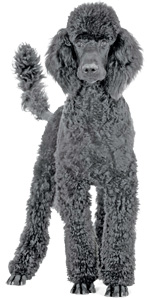
Contrary to a widespread belief, hypoallergenic (not likely to cause an allergic reaction) or non-allergenic dogs do not exist. Since all dogs produce dander and saliva – the offending allergens, no dog is considered truly non-allergenic. Certain breeds like Chinese Crested, Poodle, Schnauzer, Portuguese Water dog, Soft-coated Wheaten Terrier, Basenji, Bichon Frise and Maltese, because of their coat type, tend to produce less allergens than others and many people who are mildly allergic to dogs can tolerate these individual breeds. But there are no guarantees. Severe pet allergy sufferers may not tolerate any dogs at all.
An allergy is an immune reaction to a protein (allergen) that enters the body or makes contact with the skin. Many people feel that it is the fur of the animal that causes the allergy. However, dog saliva, dander (shed skin cells) and even urine can trigger an allergic reaction in a person. The allergens can produce nasal congestion, runny nose, itchy nose, sneezing, itchy and watery eyes, coughing, a scratchy sore throat, itchy skin rashes, headaches, fatigue, difficulties in breathing and asthma.

For decades, paediatricians, allergists and parents thought that having a pet put children at risk for developing allergies and asthma. Doctors routinely recommended that parents get rid of a pet, especially if there was a family history of allergies and asthma, before a new baby arrived. Now research suggests the opposite may be true – that pets may actually affect a baby’s immune system in a way that can protect it against allergies and even asthma in the future.
Doctors routinely recommended that parents get rid of a pet, especially if there was a family history of allergies and asthma, before a new baby arrived. Now research suggests the opposite may be true – that pets may actually affect a baby’s immune system in a way that can protect it against allergies and even asthma in the future.
Environmental control
Dog allergens are small and sticky and can stay airborne for a long time. They can adhere to walls, clothing, carpet, furniture and a/c ducts. For this reason it is best to restrict the dog to certain areas of the house, especially keeping it out of the bedroom.
- Personal hygiene is a must – always wash your hands after each time you play with, groom or touch the dog. In some cases it is advisable to change clothing and shower.
- Bathe and brush the dog regularly to remove the allergens. Groom the dog outdoors where the dander shed from the grooming can do less harm to the sufferer. Be sure the shampoo you use does not dry out the dog’s skin, which may worsen the problem.
- Place a thin screen over the a/c vents to prevent the dander from circulating in the rooms.
Wash the dog’s bedding and toys frequently. - Use washable curtains or window shades instead of Venetian blinds or heavy drapes. Avoid using carpets and soft upholstered furniture – they are a reservoir for allergens.
- Floors should be mopped or vacuumed on a daily basis and rooms aired out regularly to reduce the level of allergens.
- Install an air filter or purifier in every room of the house.
- Place a vinyl cover over mattresses and wash linen regularly.
Medication
Over the counter antihistamines, steroids and eye drops can help relieve the symptoms of a sufferer. Do not use any drugs without first consulting your doctor.
Allergy shots
Immunotherapy allergy shots are also available for people suffering from severe allergies.
Porus’ parents did not want to acquire a dog only to have to give it away if the boy got a severe allergy. A local veterinarian recommended that the boy spend time with different breeds of dogs to see which one did not exacerbate his allergy. Porus spent several hours playing with a litter of Bichon Frise puppies, two grownup Labradors and a Beagle among other breeds. He found that the Bichon Frise pups did not bring on an allergy. The breeder allowed them to take home a pup for a day to see how the boy’s immune system reacted. Happily, the pup did not bring on any of Porus’ allergy symptoms. Today, the dog is three years old and Porus’ allergy has been kept at bay with simple safety measures.