Body Posture and You – Part I
 Specialist in Orthopaedic and Sports Physiotherapy, and a certified therapist in Kinesiology Taping and Mulligan Therapy, Physiotherapist Dr. Zahra Hussain lends her
extensive expertise to the wellness-benefit of Parsi Times readers. Having practiced in some of Mumbai’s top hospitals and running her own practice, Zahra elucidates the various importance of how one could optimize physical wellbeing to keep various ailments at bay, in an exclusive four-part series.
In today’s day and age, our workplace has become our second home. It is where we spend majority of our time engaging with the computer screen, telephone, typing away on the key board and at times even picking and moving heavy files. Very often we tend to ignore our body posture and the ever increasing muscular pains that arise from these undisciplined office-related activities. It is here that ‘Ergonomics’ plays a key role.
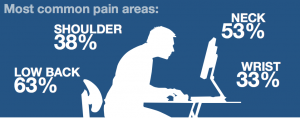
‘Ergonomics’ is the study of people’s efficiency in their working environment. Simply put, it is the art of fitting a job to suit the worker’s needs, with the intent of preventing work related injuries and illnesses, and increasing comfort and productivity. Statistics suggest that thirty-eight percent of the office goers complain of shoulder pain, fifty-three percent complain of neck and thirty-three percent complain of wrist problems. However, amon
gst all these, Low Back pain (LBP) is an important public health problem in all industrialized countries. It comprises of forty percent of the disabilities amongst persons as young as forty five years of age. More than one-quarter of the working population is affected by LBP each year, with a lifetime prevalence of 60–80%.
Non-ergonomically organized workstations give rise to Musculo-Skeletal Disorders (MSD), such as:
- Carpal Tunnel Syndrome, which is pain and numbness in hand and fingers, up to forearm and shoulder sometimes.
- Tennis/ Golfers elbow, which is the pain in elbow or forearm.
- Trigger finger, is the reduced movement in finger/thumb joints.
- Neck back strains/ sprains, which is the tightness and pain in neck and back muscles.
The usual symptoms of MSD’s are numbness or burning sensations, pain and aches, stiffness, spasms or tightness, decreased range or deformity, decreased grip strength and loss of power in hands or legs.
The various factors responsible for MSD’s are:
- Awkward working positions: Bend at the waist or twist when lifting objects or sometimes use the wrong tool for the job
- Repetition:When you perform frequent repetitive motions
- Force:When you lift push or pull objects throughout the day
- Time:When you forget to take breaks or forget to adjust your work area to fit your task
One of the first resorts to address such MSD’s is ‘The Posture’and the best way to go about it, is to recognize the ‘Ideal Chair’.
An Ideal Work Chair should consist of:
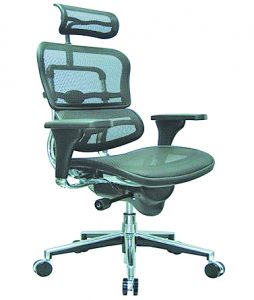
- Caster Base (with wheels).
- Height adjustability.
- Seat depth adjustability– Sliding back and forth.
- Rounded edge to the front of the seat.
- Good lower back support.
- Backrest angle adjustability.
- Armrests are padded and adjustable – up/down or removable.
Dr. Zahra looks forward to answering all relevant queries from our readers. Please write in to editor@parsi-times.com or mailparsitimes@gmail.com